 GPS Tracking for Snow Removal Contractors This Winter
Winter can bring significant operational challenges for snow removal contractors. When storms arrive, crews must respond quickly, vehicles need to cover multiple properties and roadways, and equipment must remain available throughout demanding shifts. Keeping track of these activities becomes increasingly difficult for businesses managing several crews across different service areas.
GPS tracking provides snow removal companies with better visibility into their vehicles, equipment, and daily operations. By monitoring vehicle locations, reviewing route history, and keeping accurate service records, contractors can improve dispatching, coordinate their teams, and provide customers with more reliable updates.
Here are several ways GPS tracking can help snow removal contractors prepare for winter and keep their fleets running efficiently.
1. Track Snow Plow Trucks in Real Time
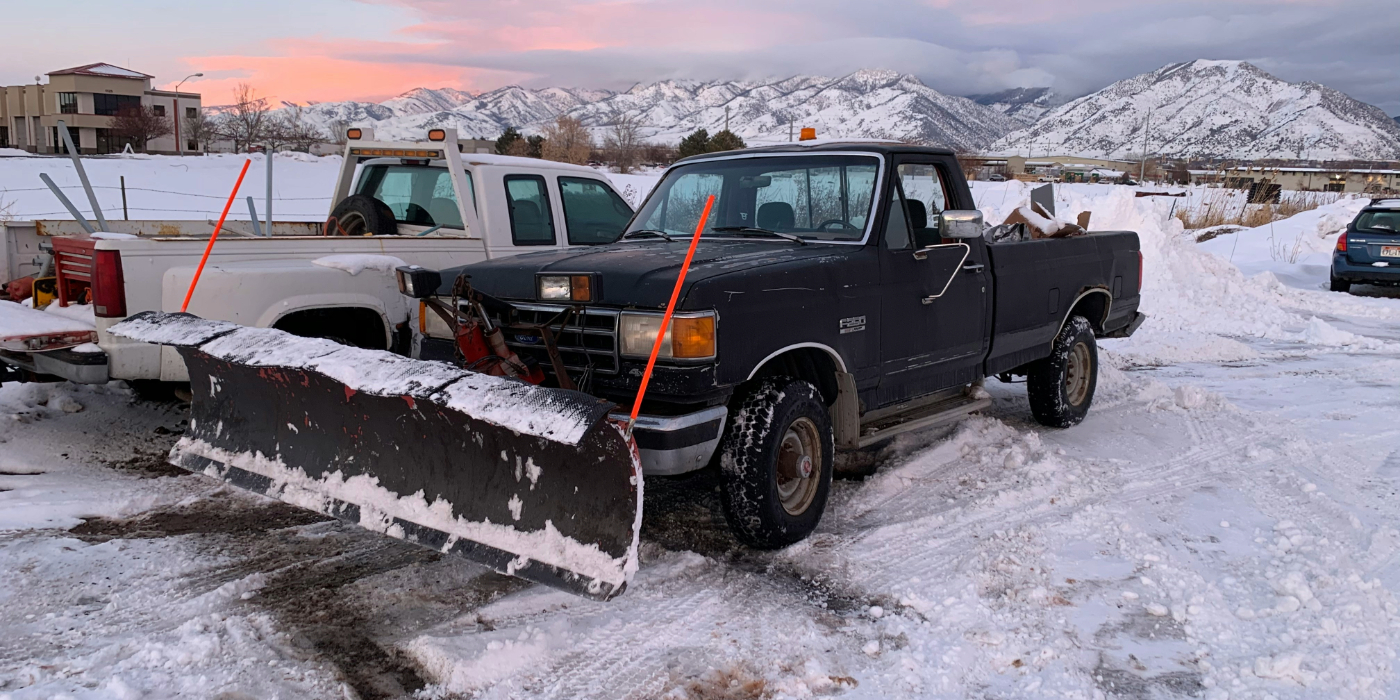
During a major snowstorm, knowing where your vehicles are can make a significant difference when coordinating crews. When several trucks are working across different properties, manually checking on every driver can quickly become inefficient.
GPS tracking allows managers to view vehicle locations through a centralized platform. This makes it easier to identify which trucks are operating in specific areas, determine which crews may be available, and coordinate additional support when necessary.
For example, if a commercial property needs another round of snow clearing, a dispatcher can review nearby vehicle locations and arrange for an available crew to respond. This can help reduce unnecessary travel and improve response times.
2. Optimize Routes and Improve Service Coverage
Snow removal contractors often manage routes covering residential communities, commercial parking lots, private roads, and municipal properties. During periods of heavy snowfall, poorly coordinated routes can result in overlapping work, missed locations, and unnecessary mileage.
GPS tracking provides historical route information that managers can use to evaluate vehicle movements and service coverage. By comparing recorded routes with assigned schedules, businesses can identify inefficient travel patterns and make adjustments to future assignments.
Geofencing can provide another layer of visibility. Contractors can establish virtual boundaries around customer properties, equipment yards, and storage facilities, receiving notifications when tracked vehicles enter or leave designated areas.
Reviewing this information over time can help businesses distribute workloads more effectively and establish more efficient routes for future snow events.
3. Verify Service Activity and Maintain Accurate Records
Demonstrating that contracted work has been completed is important for snow removal businesses, particularly those servicing commercial properties, homeowners’ associations, and municipal clients.
GPS tracking can provide records of vehicle locations, timestamps, stops, and travel history. Managers can review this information to determine when a vehicle arrived at a property, how long it remained in the area, and whether it followed its assigned route.
These records can be helpful when customers question whether a property was serviced or when contractors need to review their work after a storm.
More detailed activity verification is also possible through compatible equipment integrations. For example, Iowa’s Department of Transportation has used automated vehicle location data alongside equipment monitoring to track snowplow positions, plow status, and material application. Similar integrations can help businesses obtain more detailed information about their own winter operations.
It is important to distinguish between vehicle location and actual service activity. A standard GPS tracker can show where a truck travelled, but confirming that a plow was lowered or salt was applied requires compatible sensors.
For more information, see the U.S. Department of Transportation’s Iowa snowplow operations case study.

4. Coordinate Crews as Weather Conditions Change
Winter weather is unpredictable, and snow removal schedules often need to change at short notice. Heavy snowfall, freezing rain, ice storms, and rapidly dropping temperatures can all affect when crews need to be dispatched and which properties require attention first.
The National Weather Service provides watches, warnings, and advisories for hazardous winter conditions across the United States. Contractors can use this information alongside their GPS tracking platform to prepare crews and coordinate their response.
When conditions change, managers can review current vehicle locations and adjust assignments accordingly. This makes it easier to identify nearby resources, prioritize urgent service requests, and move equipment between service areas when necessary.
GPS tracking does not replace weather monitoring or safe dispatch decisions, but it gives managers another useful source of information when coordinating winter operations.
Businesses can monitor local alerts through the National Weather Service’s Winter Weather Safety resources.
5. Control Fuel Consumption and Vehicle Idling
Fuel is an important operating expense for snow removal contractors, particularly when vehicles run for extended periods during winter storms. Frequent travel between properties, long operating shifts, and unnecessary idling can all contribute to higher fuel consumption.
GPS tracking helps businesses review vehicle activity and identify opportunities to improve efficiency. Depending on device compatibility and available vehicle data, managers may be able to monitor idling time, travel distances, operating hours, and vehicle utilization.
For example, reviewing route history may reveal that two trucks regularly cover overlapping areas. Adjusting their assignments could reduce unnecessary mileage and help distribute work more efficiently.
Identifying vehicles that spend excessive time idling can also help contractors establish better operating practices. Together, these insights provide a clearer picture of fleet activity and where fuel savings may be possible.
6. Keep Vehicles and Equipment Ready for Winter
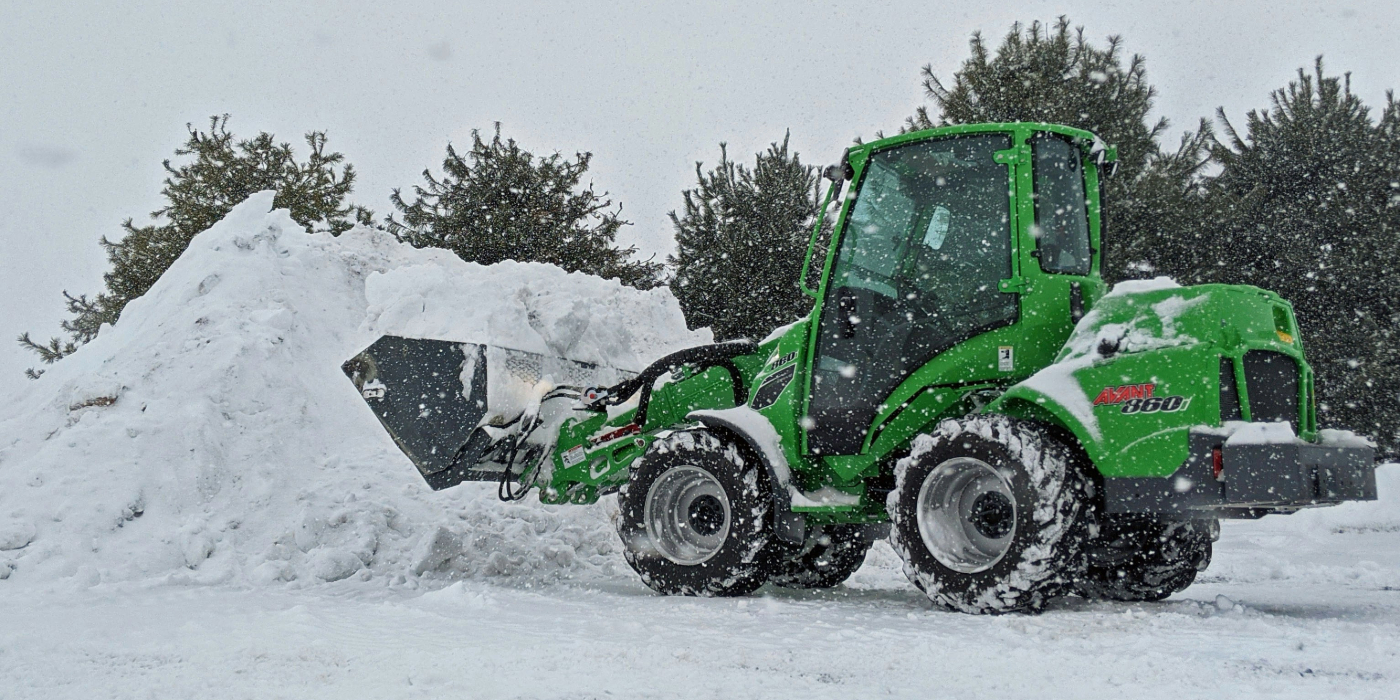
Snow removal operations place considerable demands on vehicles and machinery. Plow trucks, loaders, skid steers, salt spreaders, and other equipment must remain dependable throughout the season, especially when delays can affect multiple service locations.
Cold temperatures can also create additional maintenance challenges. Batteries, engines, and other vehicle components may be affected by freezing conditions, making preventive maintenance particularly important.
GPS tracking systems with compatible vehicle data integrations can help managers monitor odometer readings, engine hours, and other operating information. These records can be used to schedule routine maintenance, identify equipment approaching service intervals, and locate vehicles that need attention.
Combining GPS tracking with regular inspections and preventive maintenance practices can help contractors identify potential issues before they lead to costly operational disruptions.
7. Improve Customer Communication and Accountability
Customers expect snow removal contractors to provide reliable service, especially when accumulating snow affects access to commercial properties, parking areas, and residential communities.
When customers request updates, managers can use GPS tracking information to provide more informed responses. Rather than relying entirely on driver recollections, dispatch staff can review vehicle locations and recent activity.
For example, if a property manager asks whether a parking lot has been serviced, the contractor can check the assigned vehicle’s location history and recorded arrival and departure times.
Maintaining accessible service records can also help businesses investigate complaints, answer scheduling questions, and support billing discussions.
For contractors managing multiple customers and service locations, having centralized fleet information can make communication and recordkeeping much more manageable.
8. Prepare Your GPS Tracking System Before the First Snowstorm
GPS tracking is most effective when devices, vehicle information, and reporting systems are properly configured before winter operations begin.
Before the first major snowfall, snow removal contractors should review their tracking setup and confirm that their equipment is ready.
Some important preparation steps include:
- Test device connectivity: Confirm that installed GPS devices are reporting locations correctly and that recent updates are available.
- Review vehicle assignments: Ensure that each truck and tracked piece of equipment is correctly identified in the platform.
- Configure routes and geofences: Set up customer properties, service areas, equipment yards, and other important locations.
- Set up relevant alerts: Configure notifications for events such as unauthorized vehicle movement, extended stops, or unexpected activity where supported.
- Check equipment integrations: Confirm that connected plow or spreader sensors are installed and recording the correct information.
- Organize reporting: Determine which fleet reports managers and dispatchers need to review during and after each winter event.
Businesses should also establish procedures for reviewing tracking information, communicating with drivers, and responding to equipment problems. Preparing these systems ahead of time can make a significant difference when winter operations become busy.
Final Thoughts
Snow removal contractors face a demanding operating environment during winter. Managing changing weather conditions, coordinating multiple crews, maintaining equipment, and meeting customer schedules all require careful planning and communication.
GPS tracking gives businesses better visibility into their vehicles and daily operations. From monitoring plow truck locations and reviewing routes to maintaining service records and identifying maintenance requirements, tracking information can support better decisions throughout the winter season.
Getting your fleet ready for winter? Contact GPS Tracking America to explore GPS tracking solutions that can help your business monitor vehicles, manage equipment, and coordinate snow removal operations more effectively.
Frequently Asked Questions
How can GPS tracking help snow removal contractors?
GPS tracking helps snow removal businesses monitor vehicle locations, coordinate crews, review routes, and maintain records of fleet activity. Having this information in one platform makes it easier to manage multiple properties, respond to changing weather conditions, and oversee daily winter operations.
Can GPS tracking show the real-time locations of snow plow trucks?
Yes. GPS tracking allows managers to view the latest reported locations of snow plow trucks through a web-based or mobile platform. Depending on device reporting intervals and cellular coverage, location updates can help dispatchers monitor active vehicles and coordinate crews during winter storms.
Can GPS tracking help snow removal companies manage multiple routes?
Yes. GPS tracking provides historical route information that contractors can use to evaluate vehicle movements and service coverage. Managers can compare recorded trips with assigned schedules, identify unnecessary travel, and adjust routes to distribute work more effectively.
Can GPS tracking verify whether a property has been plowed?
GPS tracking can provide location history and timestamps showing when a vehicle travelled to or remained near a customer property. This information can support service verification, but vehicle location alone cannot confirm that snow was removed. Compatible equipment sensors may be needed to verify plow activity.
Can GPS tracking monitor whether a snow plow blade is raised or lowered?
Some GPS tracking systems can integrate with compatible equipment sensors to detect whether a plow blade is raised or lowered. When properly installed and configured, these integrations can provide additional records of where and when plowing activity occurred.
Can GPS tracking monitor salt and brine application?
GPS tracking can work alongside compatible spreader sensors to record material application activity. Depending on the equipment and integration, contractors may be able to review application locations, operating times, material usage, and spreading rates. A standard GPS tracker cannot independently measure the amount of salt or brine applied.
How does GPS tracking improve snow removal dispatching?
Managers can use vehicle location information to identify which crews are closest to a property and determine which vehicles may be available for additional assignments. This can help dispatchers coordinate service requests, redistribute resources, and respond more effectively when winter conditions change.
Can GPS tracking help reduce fuel costs for snow removal contractors?
GPS tracking can help businesses identify unnecessary mileage, inefficient routes, excessive idling, and underutilized vehicles. Reviewing this information and adjusting fleet assignments can create opportunities to reduce fuel consumption and improve overall vehicle efficiency.
Can GPS tracking help resolve snow removal customer complaints?
Yes. Location history and timestamped activity records can help contractors investigate questions about service visits. Managers can review when a vehicle entered or left a property and compare its movements with assigned schedules. These records provide useful supporting information when responding to customer concerns.
Can GPS tracking help manage municipal snow removal contracts?
GPS tracking can help contractors monitor assigned vehicles, review service routes, and maintain records of equipment activity. These capabilities can support contract documentation and performance reviews. Businesses should also confirm that their tracking systems meet any specific reporting requirements included in their municipal agreements.
Can contractors track skid steers, loaders, and other snow removal equipment?
Yes. Depending on device compatibility, GPS trackers can be installed on skid steers, loaders, tractors, and other machinery. Managers can monitor equipment locations and review movement history, making it easier to oversee machinery distributed across multiple job sites.
Can GPS tracking monitor snow removal trailers and attachments?
Yes. Compatible asset tracking devices can help businesses monitor trailers and other equipment transported between properties and job sites. Device selection depends on whether the asset has a reliable power source, how frequently its location needs to be reported, and how long it needs to operate independently.
Can GPS tracking identify excessive vehicle idling during snowstorms?
Some GPS tracking devices can record ignition status and idling activity, depending on the vehicle connection and available data. Managers can review these records to identify unnecessary idling and improve operating practices while accounting for legitimate winter warm-up and equipment requirements.
How can GPS tracking support winter fleet maintenance?
GPS tracking systems that support odometer readings, engine data, or operating-hour monitoring can help contractors organize preventive maintenance. Managers can identify vehicles approaching service intervals and schedule inspections before equipment problems interrupt winter operations.
Does GPS tracking work during heavy snowfall and blizzards?
GPS positioning can continue operating during snowfall, but receiving updated vehicle information also depends on device connectivity and cellular network availability. Severe weather, communication interruptions, and equipment power issues may delay reporting. Contractors should understand their devices’ reporting capabilities and how the platform handles temporary interruptions.
Can GPS tracking send notifications when snow plow trucks arrive at customer properties?
Yes. GPS tracking platforms with geofencing features can send notifications when vehicles enter or leave predefined geographic boundaries. Contractors can establish geofences around customer properties, equipment yards, storage facilities, and other important locations to receive updates about vehicle activity.
Can GPS tracking help manage subcontractors during the winter season?
Yes. Businesses working with subcontractors can use compatible GPS tracking systems to review participating vehicle locations and recorded activity. This can make it easier to coordinate assignments, monitor service coverage, and maintain consistent operational records across different crews.
What features should snow removal contractors look for in a GPS tracking system?
Contractors should consider vehicle location updates, historical route playback, geofencing, customizable alerts, reporting tools, and compatibility with their vehicles and equipment. Businesses that need detailed records of plowing or material application should also look into compatible equipment sensors and integrations.
Is GPS tracking worthwhile for small snow removal businesses?
Yes. Even contractors operating only a few trucks can benefit from monitoring vehicle locations, reviewing routes, and maintaining service records. GPS tracking can help smaller businesses coordinate daily work while providing a foundation for managing additional vehicles as their operations grow.