
How Vehicle Idling Is Quietly Draining Your Fleet Budget
For many fleet operators, idling feels like a small cost. A truck waits at a job site. A driver keeps the engine running during a delivery. A service vehicle stays on for heat, air conditioning, tools, lights, or habit. One idle event may not look expensive, but across a full fleet and a full year, idling can quietly become one of the largest hidden drains on operating profit.
The U.S. Department of Energy’s Alternative Fuels Data Center explains that reducing vehicle idling time can save fuel and money, cut pollution, and reduce engine wear. Argonne National Laboratory estimates that, across U.S. road vehicles, more than 6 billion gallons of gasoline and diesel are lost to idling every year. For businesses running commercial vehicles, that waste is not theoretical. It shows up in fuel bills, maintenance schedules, downtime, compliance risk, and missed opportunities to operate more efficiently.
The fuel cost adds up faster than most fleets realize
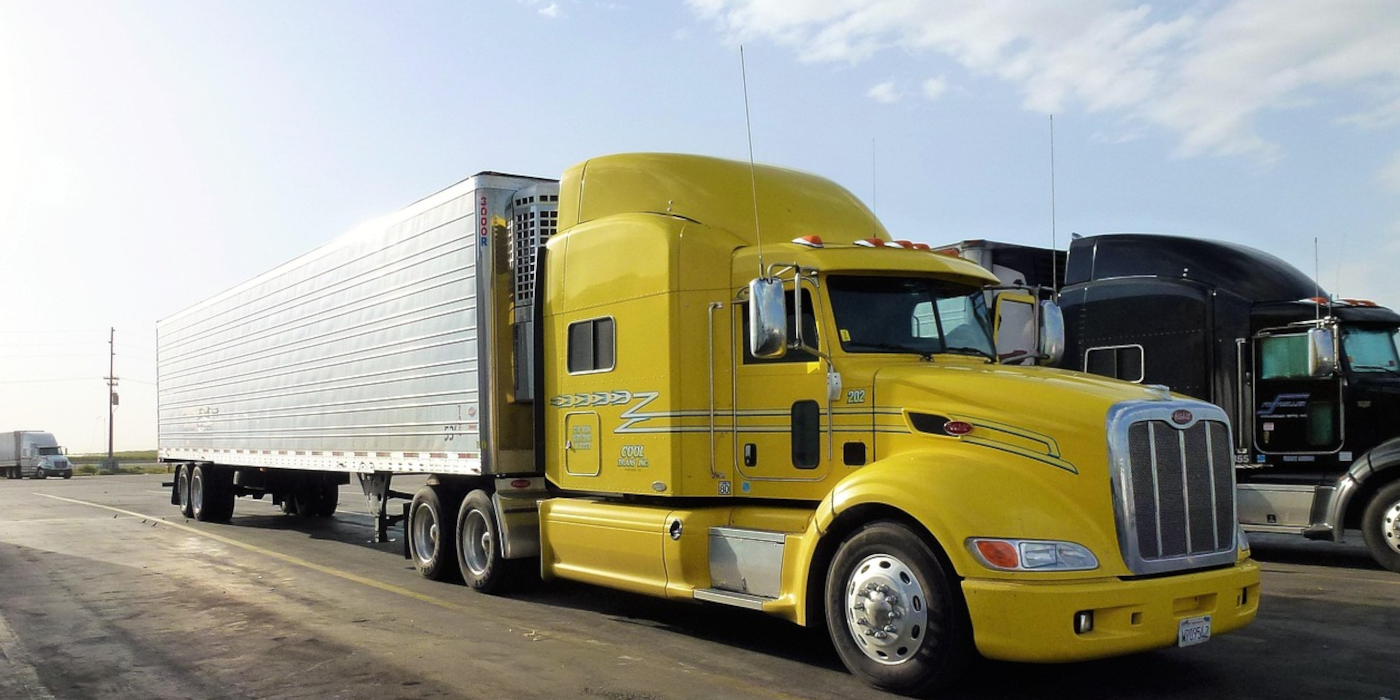
Heavy-duty diesel trucks are especially costly when left running. According to the Federal Highway Administration, heavy-duty trucks can consume about one gallon of diesel fuel for each hour at idle. Even using a conservative estimate of 0.8 gallons per hour, the numbers get large quickly.
As of June 8, 2026, the U.S. diesel sales price was about $5.21 per gallon. At that price, a vehicle idling 1,000 hours per year at 0.8 gallons per hour burns roughly 800 gallons of diesel, or about $4,168 in fuel alone. A higher-idle vehicle at 1,500 hours per year can waste more than $6,000 in fuel. At 2,000 idle hours, the fuel waste can exceed $8,000 per vehicle annually.
That is before counting maintenance, downtime, driver productivity, emissions, or possible local idling fines.
Idling is not just a fuel problem
Fuel is the easiest cost to see, but it is not the only cost. The DOE notes that decreasing idle time can also reduce engine wear and associated maintenance costs, especially for heavy-duty trucks. The FHWA has also stated that idling can cost approximately $2,000 per truck annually from maintenance costs alone.
That matters because idling hours are still engine hours. Even when the vehicle is not moving, the engine is running, components are wearing, filters are loading, and service intervals can arrive sooner. For fleets that already struggle with technician availability, parts delays, and keeping vehicles on the road, excessive idling can create more pressure on the maintenance program.
A vehicle that burns thousands of dollars of fuel while stationary and then requires more service because of those idle hours is not just inefficient. It is producing avoidable cost without producing revenue.
The real annual cost per vehicle
A realistic idling cost calculation should include at least three categories: wasted fuel, additional maintenance, and lost productivity.
For example, consider a diesel truck that idles 1,200 hours per year and burns 0.8 gallons per hour. That equals 960 gallons of wasted diesel. At $5.21 per gallon, the fuel cost alone is about $5,002. If idling-related maintenance adds even a portion of the FHWA’s $2,000 annual estimate, the total cost can easily move into the $6,000 to $7,000 range per vehicle.
For a 25-vehicle fleet, that can represent more than $150,000 in annual waste. For a 100-vehicle fleet, the exposure can climb into the hundreds of thousands of dollars. The exact number depends on vehicle class, climate, engine size, duty cycle, driver behavior, and job requirements, but the pattern is clear: idling is not a minor line item when it happens every day.
Some idling is necessary. Unmeasured idling is the real problem.
Not every idle event is wasteful. Utility crews, emergency response teams, construction fleets, refrigerated trucks, bucket trucks, and service vehicles may need engine power for tools, safety equipment, PTO operation, climate control, or job-site requirements. The goal is not to eliminate all idling blindly. The goal is to separate necessary operational idling from avoidable idling.
That is where telematics becomes valuable. Without vehicle data, a fleet manager may only see the fuel bill after the money is already gone. With a connected platform, managers can see which vehicles idle the most, where idling happens, how long it lasts, whether it is tied to a job site, and whether specific drivers or routes are creating repeat patterns.
Geotab explains that comparing idling rates between vehicles can help identify outliers that need management. This is important because the highest-idling vehicles are often not obvious from fuel receipts alone. Two similar trucks may have very different idle profiles, even if they travel similar mileage.
How Geotab helps fleets uncover idle waste
Geotab’s platform gives fleets the ability to monitor idling trends, set rules, create reports, and identify the vehicles or drivers contributing most to fuel waste. Geotab notes that MyGeotab can use idling reports such as the Last 3 Months Idling Trend Report and Trended Exception Report to measure fleet idle rates and compare driver or vehicle trends.
Geotab’s sustainability tools also allow fleets to calculate the amount of fuel wasted by idling and attribute a cost to time spent idling. That changes the conversation from “we think idling is a problem” to “this vehicle wasted this many gallons, at this estimated cost, during this time period.”
That visibility is what makes idle reduction practical. Instead of sending a generic reminder to every driver, managers can focus coaching on the biggest opportunities. Instead of creating a policy that ignores real job requirements, fleets can build rules around vehicle type, job site, time of day, temperature, PTO usage, and operational exceptions.
Geotab Ace makes idle data easier to act on
One of the challenges with fleet data is that managers do not always have time to dig through dashboards and reports. Geotab Ace helps solve that problem by giving fleets an AI assistant built directly into MyGeotab. According to Geotab, Ace allows users to ask fleet questions in plain language and get instant, data-backed answers.
For idling, this can make a major difference. A fleet manager may be able to ask questions such as:
“Which vehicles had the highest idle cost last month?”
“Which drivers are above the fleet average for idling?”
“Where are our longest idle events happening?”
“Which branches improved idling after coaching?”
“Which vehicles should we review for idle-reduction equipment?”
Instead of waiting for a monthly report or manually filtering spreadsheets, managers can move faster from data to decision. That is where idling reduction becomes more than a cost-cutting idea. It becomes an operational process.
Idling also affects emissions and customer expectations
Fuel waste also creates emissions. The EIA lists diesel and home heating fuel at 22.45 pounds of CO2 per gallon. A vehicle wasting 960 gallons of diesel through idling can therefore produce more than 21,000 pounds of CO2 from fuel that did not move the vehicle forward.
For many companies, this matters beyond fuel savings. Customers, municipalities, contractors, and large enterprise clients increasingly want vendors who can document responsible operations. Reducing idling can support sustainability reporting, bid requirements, internal ESG goals, and public-facing environmental commitments.
In some areas, idling may also be regulated. The DOE’s AFDC notes that many states, counties, and municipalities have idle reduction laws and incentives. For fleets operating across multiple jurisdictions, telematics data can help support policy enforcement and reduce the risk of preventable violations.
The best idle-reduction strategy starts with measurement
A good idle-reduction program should not begin with guessing. It should begin with measurement.
Fleet managers should identify baseline idle hours, estimate current idle cost, rank vehicles and drivers by idle performance, and separate necessary work idle from avoidable waste idle. From there, they can create targeted policies, coach drivers, review job-site practices, and consider idle-reduction equipment where it makes sense.
For example, a long-haul truck that idles overnight may need an auxiliary power unit, electrified parking strategy, or cab comfort solution. A service fleet may need better driver coaching and exception rules. A construction fleet may need to distinguish PTO-related idle from lunch-break idle. A delivery fleet may need route-level analysis to reduce waiting time at customer sites.
The right answer depends on the operation, but the wrong answer is doing nothing while idle hours continue accumulating.
Small improvements can produce large savings
Because idling is repeated daily, even modest reductions can produce meaningful savings. If a fleet reduces unnecessary idling by 30 minutes per vehicle per workday, that can add up to more than 125 hours per vehicle per year in a 250-day operation. For a diesel vehicle burning 0.8 gallons per hour, that is about 100 gallons saved per vehicle annually. At $5.21 per gallon, that is more than $500 per vehicle in fuel savings from just a half-hour daily reduction.
For fleets with heavier vehicles, longer shifts, high idle locations, or hundreds of assets, the opportunity is much larger. The key is making idling visible, assigning a dollar value to it, and giving managers the tools to act before another year of wasted fuel becomes normal.
Turn idle time into actionable fleet savings
Idling is one of the most expensive habits hiding inside fleet operations. It wastes fuel, increases engine wear, raises emissions, and quietly turns stationary time into a measurable financial loss. For many companies, the annual cost can reach thousands of dollars per vehicle, especially when fuel and maintenance are both included.
GPS Tracking America helps businesses uncover and reduce these hidden costs with GPS tracking solutions that integrate Geotab devices, MyGeotab reporting, idle cost tracking, driver coaching tools, and AI-powered insights through Geotab Ace. If your fleet is ready to identify where idle time is costing you money and build a smarter reduction strategy, contact us today to learn how GPS Tracking America can help.
Frequently Asked Questions
What is vehicle idling?
Vehicle idling happens when a vehicle’s engine is running while the vehicle is not moving. This can happen during deliveries, at job sites, during driver breaks, while waiting for dispatch, or when using heat, air conditioning, lights, or equipment.
Why is idling expensive for companies?
Idling is expensive because the vehicle burns fuel without producing mileage or revenue. Over time, idle hours can add up to thousands of dollars per vehicle each year in wasted fuel, added maintenance, and reduced efficiency.
How much fuel does a truck use while idling?
Fuel use depends on the vehicle, engine size, load, and operating conditions. Many heavy-duty diesel trucks can burn close to one gallon of diesel per hour while idling, which can become very costly across a full fleet.
How much can idling cost per vehicle annually?
A high-idling commercial vehicle can cost a company thousands of dollars per year. Depending on idle hours, diesel prices, vehicle type, and maintenance impact, the annual cost can reach several thousand dollars per vehicle.
Is idling only a problem for large trucking fleets?
No. Idling can affect any business that operates vehicles, including construction companies, service fleets, delivery fleets, utility fleets, government fleets, landscaping companies, and field service businesses.
Does idling damage the engine?
Excessive idling can increase engine wear because the engine is still running even when the vehicle is not moving. It can also contribute to more frequent maintenance needs, filter issues, and unnecessary engine hours.
Why do drivers leave vehicles idling?
Drivers may idle vehicles for heating, air conditioning, battery charging, PTO operation, safety lights, tools, job-site requirements, or habit. Some idling is necessary, but many fleets also have avoidable idle time that can be reduced.
Is all idling bad?
No. Some idling is necessary for certain jobs, especially when vehicles power equipment, support emergency operations, maintain temperature-sensitive cargo, or provide driver safety in extreme weather. The goal is to identify and reduce unnecessary idling.
How can GPS tracking reduce idling?
GPS tracking and telematics can show when, where, and how long vehicles are idling. Fleet managers can use this data to identify high-idling vehicles, coach drivers, improve routes, and reduce avoidable fuel waste.
How does Geotab help monitor idling?
Geotab helps fleets track idle time, generate idling reports, compare vehicles and drivers, and identify trends over time. This gives managers a clearer view of where idle-related costs are happening.
Can Geotab calculate the cost of idling?
Yes. Geotab reporting can help fleets estimate fuel wasted from idling and assign a dollar value to idle time. This makes it easier to understand the financial impact of idling across the fleet.
What is an idle report?
An idle report is a telematics report that shows how long vehicles spend idling. It can help fleet managers identify high-idle vehicles, driver behavior patterns, specific locations, and opportunities to reduce fuel waste.
How can driver coaching reduce idling?
Driver coaching helps employees understand how idle time affects fuel costs, maintenance, emissions, and fleet performance. When drivers receive clear feedback, many unnecessary idle habits can be reduced.
Can reducing idling lower maintenance costs?
Yes. Reducing unnecessary idling can help lower engine wear and reduce avoidable maintenance pressure. Fewer idle hours can support better vehicle health and help extend the useful life of fleet assets.
Does idling affect emissions?
Yes. Idling burns fuel and produces emissions without moving the vehicle. Reducing unnecessary idling can help companies lower fuel consumption, cut emissions, and support sustainability goals.
Are there laws against vehicle idling?
Many states, cities, and municipalities have idling rules or restrictions. Requirements vary by location, vehicle type, and situation, so fleets should review the rules that apply to their operating areas.
How can fleet managers tell the difference between necessary and unnecessary idling?
Fleet managers can use telematics data to review idle time by vehicle, driver, location, duration, and job type. This helps separate required work-related idling from avoidable idle events.
What types of fleets benefit most from idle tracking?
Fleets with high fuel use, long job-site wait times, delivery routes, service vehicles, heavy-duty trucks, construction equipment, utility vehicles, or refrigerated units can benefit significantly from idle tracking.
How does Geotab Ace help with idling insights?
Geotab Ace helps fleet managers ask questions about their fleet data in plain language. This can make it easier to find high-idling vehicles, compare driver performance, and identify cost-saving opportunities faster.
How can GPS Tracking America help reduce idle costs?
GPS Tracking America provides GPS tracking solutions that integrate with Geotab devices and services. Our team can help businesses monitor idle time, identify wasted fuel, improve driver coaching, and build a smarter idle-reduction strategy.