 Asset Theft Recovery: How GPS Trackers Help Businesses Locate Stolen Assets
Asset theft can create significant challenges for businesses that rely on trailers, heavy equipment, machinery, containers, and other valuable property. Beyond the cost of replacing stolen equipment, businesses may also face project delays, lost productivity, and interruptions to daily operations.
GPS tracking gives businesses a way to monitor valuable assets and access location information when something goes missing. One option is to combine vehicle-powered GPS tracking devices with independent, battery-powered asset trackers.
The following example illustrates how using more than one tracking device can provide additional visibility when an asset is stolen.
A Real-World Example of GPS Tracking for Asset Theft Recovery
Consider a business that operates a fleet of trucks and trailers. Each truck and trailer has its own GPS tracking device. The truck uses an OBD-connected tracker, while the trailer has a separate battery-powered GPS asset tracker.
One day, a trailer is stolen. At first, the truck’s OBD-connected device provides location updates. However, the thief disconnects the tracker, preventing it from sending further information about the vehicle.
The battery-powered tracker installed on the trailer operates independently of the truck’s electrical system. As a result, disconnecting the vehicle’s tracker does not automatically shut down the second device. Provided it remains operational and has adequate signal coverage, the trailer’s tracker may continue reporting its location, giving the business information it can share with law enforcement.
This example shows how combining vehicle-powered and battery-powered GPS trackers can provide another layer of asset visibility. When one device stops reporting, a separate tracker may still be able to provide location updates.
This is an illustrative scenario based on a real-world type of tracking situation. Results depend on factors such as device functionality, installation, power availability, signal coverage, and other operating conditions. GPS tracking does not guarantee theft prevention or asset recovery.
Why Use Multiple GPS Trackers to Protect Business Assets?
Businesses that depend on a single tracking device may lose location visibility if that device is disconnected, damaged, or removed. Installing multiple trackers can provide an additional source of location information if one device becomes unavailable.
Two common GPS tracking options for businesses managing valuable mobile assets are wired trackers and battery-powered asset trackers.
Wired GPS Trackers
Wired GPS trackers connect to an external power source, such as a vehicle’s electrical system. For compatible vehicles, OBD-connected devices can also offer a convenient installation option.
Because these trackers draw power from the connected vehicle or equipment, they can provide ongoing location updates without depending on an internal battery that requires periodic replacement or charging.
Wired devices are commonly used to monitor trucks, fleet vehicles, and powered equipment.
Battery-Powered GPS Asset Trackers
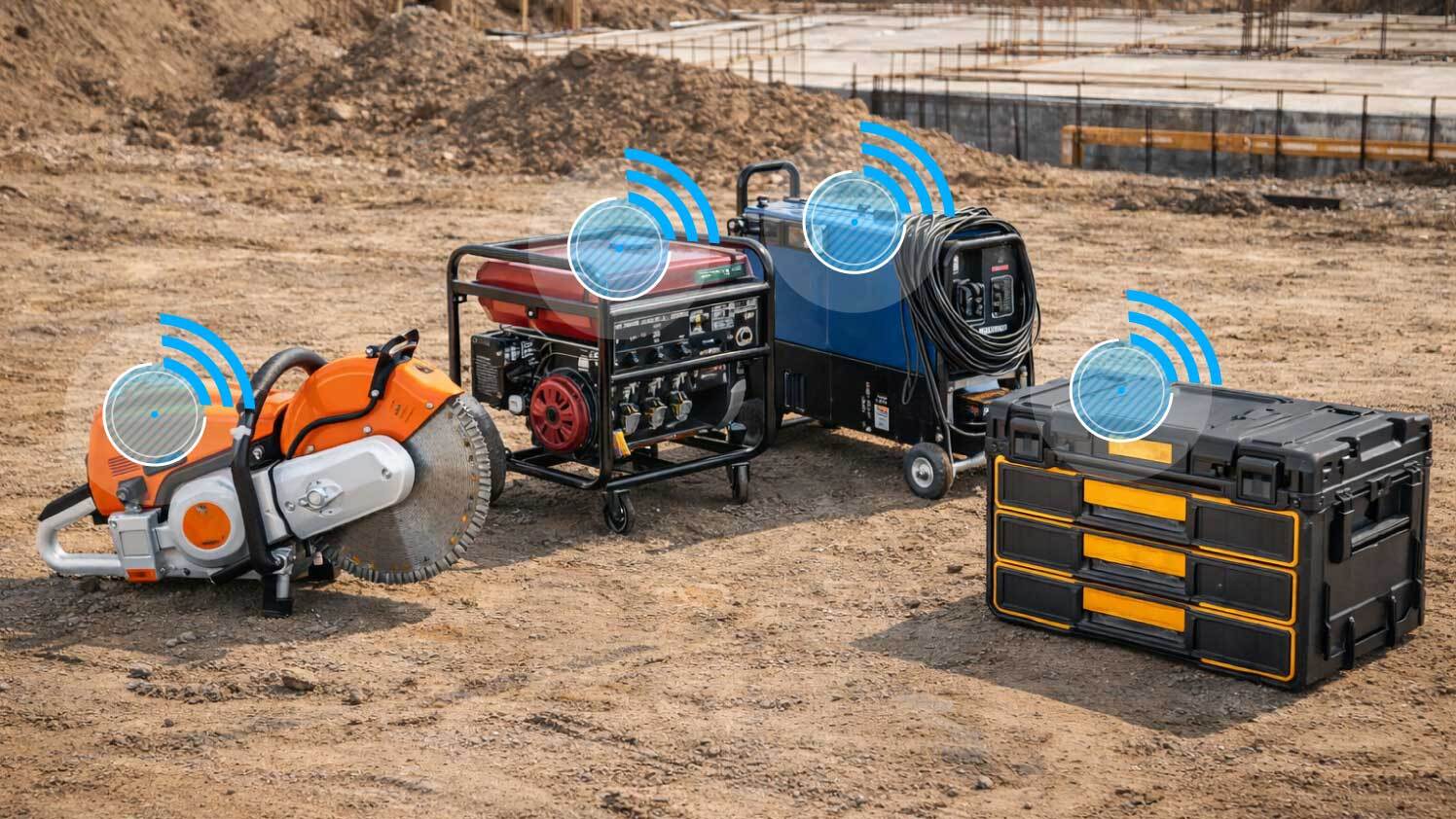
Battery-powered GPS asset trackers work independently of a vehicle’s electrical system. This makes them useful for monitoring assets that do not have a continuous power supply, such as trailers, shipping containers, and other unpowered equipment.
Depending on the tracker’s battery capacity, reporting frequency, and configuration, these devices can provide location updates over extended periods without needing a direct electrical connection.
Their independent power supply also means that disconnecting a vehicle-powered tracker will not automatically disable a separate battery-powered device.
Using Both Tracking Options Together
Combining wired and battery-powered devices can give businesses more ways to monitor their valuable assets.
For example, a fleet could install an OBD-connected or hardwired GPS tracker in each truck and a separate battery-powered tracker on each trailer.
If a trailer becomes separated from its towing vehicle, or the vehicle’s tracking device is disconnected, the independent asset tracker may continue transmitting location information.
The same approach can be useful for other valuable mobile equipment where maintaining location visibility is important.

How GPS Tracking Can Assist with Asset Theft Recovery
GPS tracking cannot physically stop someone from stealing an asset, but it can give businesses useful information when equipment goes missing.
Depending on the devices and tracking platform being used, businesses may be able to access features such as:
Real-Time and Scheduled Location Updates: Check an asset’s most recently reported position and monitor its movement when the tracker is operational and network coverage is available.
Historical Location Records: Review previous trips and recorded positions to see where an asset travelled before or after it was reported missing.
Geofencing and Notifications: Create virtual boundaries around storage yards, warehouses, job sites, and other important areas. Receive alerts when supported assets enter or leave designated locations.
Unexpected Movement Alerts: Set up notifications for unusual activity, such as movement outside regular business hours or when an asset moves from an authorized location.
Multiple Device Monitoring: Compare location information from separate trackers to get a clearer picture of how vehicles and their associated assets are moving.
These tools can help businesses collect relevant location details and provide useful information to law enforcement when reporting a theft.
Can GPS Tracking Devices Be Removed or Disabled?
Yes. GPS trackers are not completely tamper-proof. A thief may disconnect a wired device, remove a battery-powered tracker, or damage its components. Signal interference can also affect tracking performance.
Signal jammers can interfere with GPS reception or the wireless connections used to transmit location information. When this happens, a tracking device may be unable to obtain or send updates. Businesses should be aware that signal jamming is subject to strict legal restrictions in the United States.
Using multiple tracking devices does not eliminate these risks. If trackers are removed, damaged, or affected by signal interference, location reporting may stop.
For this reason, businesses should view multiple GPS trackers as an additional layer of asset visibility, not as a guarantee that theft can be prevented or stolen property recovered.
What Should Businesses Do When an Asset Is Stolen?
A clear response plan can help businesses take action quickly and make use of whatever tracking information is available.
When an asset is discovered missing or confirmed stolen, businesses should consider these steps:
- Notify law enforcement. Report the theft and provide identifying details, such as the asset’s VIN, serial number, license plate number (when applicable), and any distinguishing characteristics.
- Check available GPS tracking records. Review the latest reported positions, timestamps, and movement history from every installed tracking device.
- Save relevant tracking information. Preserve location records, timestamps, and screenshots that could support the investigation.
- Contact your GPS tracking provider. Ask for help reviewing device activity and determining whether the installed trackers are still transmitting information.
- Share relevant details with law enforcement. Provide available location updates and follow the instructions of the investigating authorities. Avoid attempting to recover stolen property yourself.
Having access to recent and historical tracking information can give investigators another resource when working to locate stolen property.
Improve Asset Visibility with GPS Tracking
Whether your business manages trailers, construction equipment, shipping containers, or other valuable mobile assets, knowing where your equipment is can be especially important when unexpected situations arise.
Combining vehicle-powered GPS tracking devices with independent, battery-powered asset trackers can provide additional location visibility and reduce dependence on a single tracking device.
GPS Tracking America offers GPS tracking solutions for businesses that want to monitor their vehicles and valuable assets. Contact our team to explore the available options and find a solution that supports your operational requirements.
Disclaimer: This article is provided for general informational purposes only. GPS Tracking America does not guarantee theft prevention, uninterrupted tracking, asset recovery, or any specific outcome. Tracking availability may be affected by device installation, power supply, battery condition, signal coverage, reporting configurations, physical removal, signal interference, and other factors. GPS tracking should be treated as one part of a broader asset security strategy.
Frequently Asked Questions
How can GPS tracking help businesses recover stolen assets?
GPS tracking can give businesses access to location information when equipment or other property is stolen or goes missing. Depending on the device, users can review the latest reported position, previous movements, and subsequent location updates. These records can be provided to law enforcement to help support recovery efforts.
Can GPS trackers help locate stolen trailers?
Yes. GPS asset trackers can monitor trailers even when they are not connected to a powered vehicle. A battery-powered tracker installed directly on a trailer operates independently, potentially providing location updates if the trailer is stolen or separated from its towing vehicle.
Why should businesses install multiple GPS trackers on valuable assets?
Using more than one tracking device provides an additional source of location information if a tracker is disconnected, damaged, or removed. For example, a business can install an OBD-connected tracker in a truck and a separate battery-powered device on its trailer. Since each device operates independently, businesses are less reliant on a single tracking source.
What is the difference between wired and battery-powered GPS trackers?
Wired GPS trackers draw power from an external source, such as a vehicle’s electrical system. Battery-powered trackers have an internal power supply and operate independently. Wired devices are typically used for vehicles and powered machinery, while battery-powered options are well suited to trailers, containers, and other equipment without a constant power supply.
Can a battery-powered GPS tracker operate without being connected to a vehicle?
Yes. Battery-powered asset trackers have their own power supply and do not need to connect to a vehicle’s electrical system. Provided the battery has sufficient charge and the device has adequate signal coverage, it can continue sending location updates independently.
What happens when a thief disconnects an OBD-connected GPS tracker?
An OBD-connected tracker will typically stop sending updates once it loses its power connection. However, when a separate battery-powered tracker is installed on the asset, that second device may continue operating independently and provide additional location information.
Can an OBD GPS tracker monitor a trailer after it separates from the truck?
An OBD-connected tracker installed in a truck monitors the towing vehicle rather than the trailer itself. Once the trailer is disconnected, the truck’s tracker cannot independently report the trailer’s location. Installing a separate GPS asset tracker on the trailer can help maintain location visibility after separation.
Can thieves remove or disable GPS tracking devices?
Yes. Tracking devices can potentially be located and physically removed, disconnected from their power supply, or damaged. Signal interference may also interrupt their ability to communicate. Installing multiple trackers can provide another source of location information, but it does not eliminate these potential risks.
Can signal jammers interfere with GPS asset tracking?
Yes. Signal jammers can interfere with GPS reception and wireless communications, potentially preventing a tracking device from receiving or transmitting location information. Even when multiple trackers are installed, signal interference may affect their reporting capabilities.
Does GPS tracking prevent asset theft?
GPS tracking is designed to help businesses monitor asset locations rather than physically prevent theft. It can provide valuable information when equipment goes missing, but it cannot stop someone from stealing or damaging property. Businesses should incorporate GPS tracking into a more comprehensive asset security strategy.
Can GPS trackers help locate stolen construction equipment?
Yes. Compatible GPS tracking devices can monitor construction machinery, heavy equipment, and other valuable mobile assets. Battery-powered trackers are useful for equipment without a continuous power supply, while wired devices can be installed on compatible powered machinery.
How frequently do GPS asset trackers report their locations?
Location update intervals depend on the device, reporting configuration, and service plan. Some trackers provide frequent updates, while others transmit their positions at scheduled intervals to preserve battery life. Businesses should consider their monitoring requirements when selecting a tracking device.
Can geofencing alerts help identify unauthorized asset movement?
Yes. Geofencing allows businesses to create virtual boundaries around locations such as equipment yards, warehouses, and construction sites. When a compatible tracking device enters or leaves one of these designated areas, configured notifications can alert fleet managers to unexpected movement.
Can historical GPS tracking data assist with stolen asset recovery?
Historical location records can help businesses review an asset’s previous movements and recorded positions. This information may help establish when equipment was moved, determine its last reported location, and provide law enforcement with useful details during an investigation.
What steps should a business take when an asset is stolen?
Businesses should report the incident to law enforcement and provide identifying details such as the asset’s VIN, serial number, or license plate number. They should also review available GPS records, save relevant location information, contact their tracking provider, and share useful details with the investigating authorities.
Can businesses share GPS tracking records with law enforcement?
Yes. Businesses can provide relevant tracking records, including available location updates and movement history, to law enforcement when reporting stolen property. This information may help investigators understand where an asset has travelled and identify potential locations. Any recovery activity should be coordinated with law enforcement.
How long will a battery-powered GPS asset tracker last?
Battery life depends on the tracker model, battery capacity, reporting frequency, operating environment, and signal coverage. Devices that transmit location updates less frequently may conserve more power than those configured for frequent reporting. Businesses should check manufacturer specifications when comparing tracking options.
Does GPS tracking guarantee that stolen assets will be recovered?
No. GPS tracking can provide useful location information, but it cannot guarantee theft prevention or asset recovery. Devices may be removed, damaged, disconnected, or affected by signal interference, which can interrupt location reporting. GPS tracking should be considered one part of a broader asset security plan.