
Description
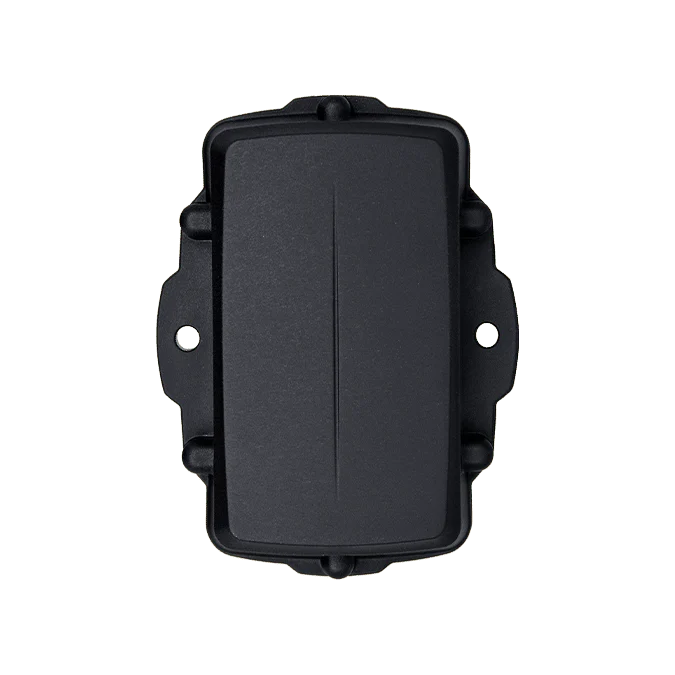
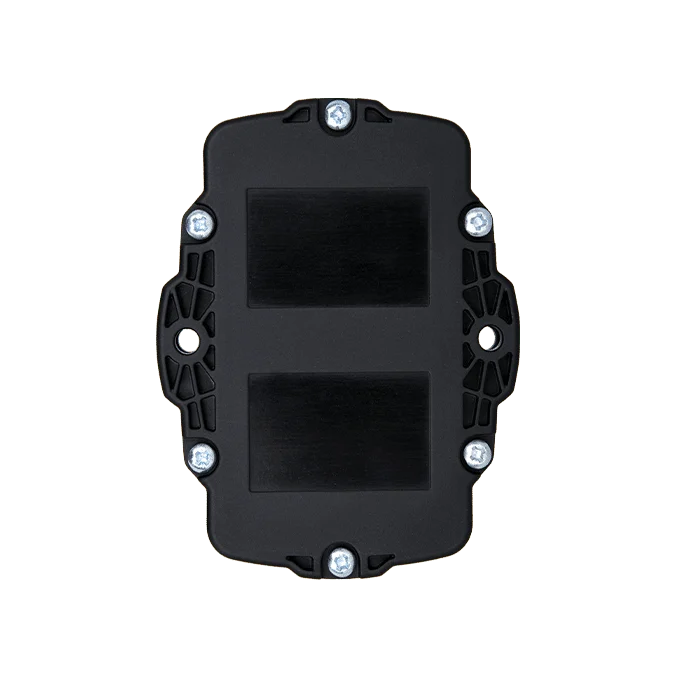
The Digital Matter Oyster3 is a rugged, battery-powered GPS asset tracker designed for long-term tracking of trailers, shipping containers, construction equipment, machinery, RVs, ATVs and other non-powered assets. LTE-M/NB-IoT connectivity, intelligent power management and user-replaceable batteries help reduce maintenance while providing ongoing visibility into asset location and movement.
This is great for fleet managers who need to track and locate non powered assets including:
- Shipping Containers & Freight
- Mining & Construction Equipment
- Trailers, RVs & ATV
Includes:
- Digital Matter Oyster3 GPS Tracker
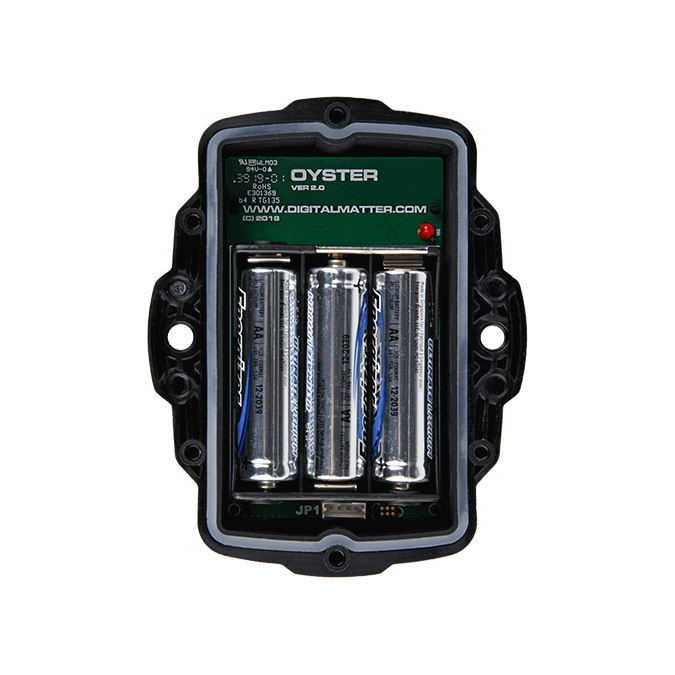
- 3x AA Energizer Lithium batteries, pre-installed
Tracking Plan
Your Oyster3 is supplied with a tracking configuration designed to provide regular location visibility while balancing battery usage.
$12.95/month includes:
- GPS location logging every 5 minutes
- Location data uploaded to the tracking platform every 15 minutes while the asset is being tracked
- Two daily heartbeat updates when the asset has not moved
Tracking parameters can be configured based on the application. Digital Matter supports periodic, movement-based and other configurable tracking modes, so higher or lower reporting frequencies can be used when appropriate. Increasing reporting frequency will reduce battery life.
First and last month tracking to be paid at time of activation. You must call us to activate the unit and get your login credentials, at which point we will bill you for $12.95 x 2 (first and last month).
Features and Benefits
10+ Year Battery Life
The Oyster3 is powered by three AA batteries and uses intelligent power management to minimize energy consumption when an asset is stationary. Digital Matter estimates battery life of 10+ years with one location update per day, 6 years with movement-based tracking, and 3.5 years with hourly updates. Actual battery life depends on factors such as update frequency, temperature, installation, battery selection, cellular coverage and asset movement.
Adaptive Tracking
The Oyster3 can adjust tracking behavior based on whether an asset is moving or stationary. This allows more location data to be collected during activity while conserving battery when the asset is sitting idle.
Rugged IP68 + IK07 Housing
The Oyster3 has an IP68 and IK07-rated housing designed for demanding outdoor environments. The enclosure protects the device against dust, impact and brief submersion.
LTE-M / NB-IoT Connectivity
The Oyster3 uses LTE-M (Cat-M1) and NB-IoT cellular connectivity and includes an internal cellular antenna. Its cellular modem supports major LTE-M and NB-IoT bands.
GNSS + Cellular Positioning
The tracker uses multiple GNSS constellations for positioning, including GPS, GLONASS, Galileo and BeiDou. When GNSS positioning is unavailable, cell tower information can provide a fallback location source. A built-in low-noise amplifier also helps improve GNSS reception in challenging installation environments.
Battery Monitoring
Built-in Battery Low and Battery Critical alerts help identify when batteries need attention, reducing the chance of losing visibility because of depleted batteries.
Theft Recovery
When an asset is stolen or goes missing, the Oyster3 can be placed into Recovery Mode, increasing the reporting frequency to support asset recovery and live tracking while the asset is moving.
Impact, Tip and Movement Detection
The three-axis accelerometer can detect movement and high-g events. The Oyster3 also supports configurable impact detection, tip detection, run-hour monitoring and geofencing capabilities.
Offline Data Storage
When cellular coverage is temporarily unavailable, the Oyster3 can store records in onboard flash memory and upload them after connectivity is restored. Digital Matter lists storage capacity of more than 29 days for continuous 30-second logging.
MyGeotab Integration
Already using MyGeotab? The Digital Matter Oyster3 can be integrated with MyGeotab through Digital Matter’s Geotab DIG connector. Additional charges apply.
The device sends tracking data to Digital Matter’s Device Manager, where the data can be forwarded to MyGeotab and associated with the corresponding Geotab asset. Data-field availability within MyGeotab depends on what is supported by the Digital Matter-to-Geotab integration; not every field reported by the Oyster3 is necessarily transferred into MyGeotab.
Dimensions: L 4.25 x W 3.39x H 1.18 in.
Frequently Asked Questions
What is the Digital Matter Oyster3?
The Digital Matter Oyster3 is a rugged, battery-powered GPS asset tracker designed to monitor the location and movement of trailers, equipment, containers, machinery, tools, and other valuable mobile assets.
What types of assets can the Oyster3 track?
The Oyster3 can be used with a wide range of mobile assets, including construction equipment, trailers, machinery, containers, generators, tools, and other valuable equipment that may not have access to a reliable external power source.
Does the Oyster3 need a wired power connection?
No. The Oyster3 runs on three user-replaceable AA batteries, allowing it to be installed on assets without connecting the tracker to an external power supply.
How long will the Oyster3 batteries last?
Battery life can reach up to 10 years with once-daily location updates. Digital Matter also provides estimates of approximately 6 years for movement-based tracking and 3.5 years for hourly updates. Actual battery life depends on factors such as tracking configuration, battery type, network coverage, temperature, installation, and asset activity. See the Oyster3 datasheet for additional specifications and battery-life information.
What batteries does the Oyster3 use?
The Oyster3 uses three AA user-replaceable batteries. Digital Matter supports lithium and lithium thionyl chloride battery types, with lithium or LTC batteries recommended for optimal performance and long-term operation.
What is LTE-M and NB-IoT?
LTE-M and NB-IoT are cellular network technologies designed for connected devices that require efficient data communication and low power consumption. The Oyster3 uses LTE-M or NB-IoT to transmit tracking information while supporting extended battery life.
How does the Oyster3 determine an asset's location?
The Oyster3 primarily uses GNSS satellite positioning to determine an asset’s location. Cell-tower positioning can also provide a location when the device is unable to obtain a GNSS fix.
What is GNSS?
GNSS stands for Global Navigation Satellite System and refers to satellite-based positioning systems. The Oyster3 can use multiple satellite constellations, including GPS, GLONASS, Galileo, and BeiDou, to help determine its location.
Can the Oyster3 track assets indoors?
The Oyster3 is primarily designed for outdoor GPS asset tracking. Its GNSS positioning requires access to satellite signals, while cell-tower positioning can provide a fallback location when a GPS fix is unavailable. Actual positioning performance depends on the installation environment and signal availability.
Can the Oyster3 detect when an asset is moving?
Yes. The Oyster3 can detect movement and adjust its tracking behavior based on the selected tracking mode. This allows the device to provide more location updates when an asset is active while using less power when it is stationary.
How does adaptive tracking help preserve battery life?
Adaptive tracking helps balance location visibility and battery consumption by changing tracking behavior according to asset activity. The Oyster3 can increase its update rate when movement occurs and reduce tracking activity when the asset is inactive.
What is Sleep Mode?
Sleep Mode reduces the Oyster3’s power consumption when an asset is inactive. By minimizing device activity while the asset is stationary, the tracker can help conserve battery power and extend deployment life.
What happens when the Oyster3 battery is low?
The Oyster3 supports Battery Low and Battery Critical alerts, helping businesses identify trackers that may need battery replacement before the device stops reporting.
What does the Oyster3 IP68 rating mean?
An IP68 rating indicates that the Oyster3 housing is designed to provide a high level of protection against dust and water ingress, including brief submersion under specified test conditions.
What does the IK07 rating mean?
IK07 is an impact-resistance rating. The Oyster3’s IK07-rated housing is designed to withstand a specified level of mechanical impact, helping protect the tracker in demanding asset-tracking environments.
What temperatures can the Oyster3 operate in?
The Oyster3 has an operating temperature range of approximately -22°F to 140°F, making it suitable for a variety of demanding outdoor applications.
What are the dimensions of the Oyster3?
The Oyster3 measures approximately 4.25 inches long by 3.39 inches wide by 1.18 inches high. Its compact size allows it to be installed discreetly on a wide range of mobile assets.
Where can the Oyster3 be installed?
The compact housing provides flexibility when selecting an installation location. Depending on the asset and application, the tracker can be secured using screws, bolts, cable ties, rivets, or other suitable mounting hardware.
Can the Oyster3 detect impacts or high-G events?
Yes. The Oyster3 includes a 3-axis accelerometer that can detect high-G events and support impact detection when configured with an appropriate threshold. This can help businesses identify potentially significant impacts or other unusual events.
Can the Oyster3 detect when an asset tips over?
Yes. The Oyster3 supports Tip Detection, which allows a range of angles to be defined as a tipped condition. This can be useful for monitoring equipment where a significant change in orientation may indicate an incident.
Can the Oyster3 monitor equipment usage?
Yes. Run-hour monitoring can provide information about asset activity over time, helping businesses understand equipment utilization and make more informed decisions about deployment and maintenance.
What is Recovery Mode?
Recovery Mode is designed for situations involving lost or stolen assets. It allows the Oyster3 to switch from less frequent tracking to live tracking, providing more frequent location updates while the asset is being recovered.
Can the Oyster3 use geofencing?
Yes. Geofencing can be used to define geographic areas and monitor when an asset enters or leaves a designated zone. Location-based alerts can help businesses identify unexpected asset movement.
Does the standard Oyster3 include Bluetooth or Wi-Fi tracking?
The standard Oyster3 GPS model is designed around LTE-M/NB-IoT cellular connectivity and GNSS positioning rather than Bluetooth gateway or Wi-Fi positioning features. Digital Matter offers separate Oyster3 variants with additional connectivity options for applications that require them.
Can multiple Oyster3 devices be managed remotely?
Yes. Digital Matter’s device management tools allow businesses to configure and monitor connected Oyster3 trackers remotely, which can simplify management across larger asset deployments.
Can Oyster3 tracking settings be changed remotely?
Yes. Supported device settings can be adjusted remotely, allowing businesses to modify tracking behavior and other configuration parameters without physically accessing each tracker.
Can firmware be updated remotely?
Yes. The Oyster3 supports remote device management and firmware updates, helping reduce the need to physically retrieve deployed trackers for routine software maintenance.
Is the Oyster3 suitable for construction and heavy equipment?
Yes. The Oyster3 is designed for demanding asset-tracking applications and combines a rugged IP68/IK07 housing, long battery life, movement detection, and flexible mounting options for equipment, machinery, trailers, and other valuable assets.
How can the Oyster3 improve equipment management?
GPS asset tracking provides businesses with greater visibility into the location and activity of their equipment. This can help teams locate assets faster, coordinate equipment between locations, monitor utilization, and identify unexpected movement.
Can the Oyster3 help protect assets from theft?
The Oyster3 can improve visibility into asset location and movement, making unexpected activity easier to identify. For lost or stolen assets, Recovery Mode can provide more frequent location updates to support retrieval efforts.