Waste Management
Waste management fleets operate in demanding environments with frequent stops, tight streets, heavy vehicles, strict schedules, and high customer expectations. GPS Tracking America helps waste collection, recycling, roll-off, and municipal sanitation fleets gain better visibility into every vehicle, route, driver, and service location. By integrating Geotab devices and services, our GPS tracking solutions help waste management companies improve routing, verify completed pickups, reduce fuel waste, monitor driver behavior, support preventive maintenance, and make smarter decisions with reliable fleet data.
Real-Time Visibility for Waste Collection Fleets
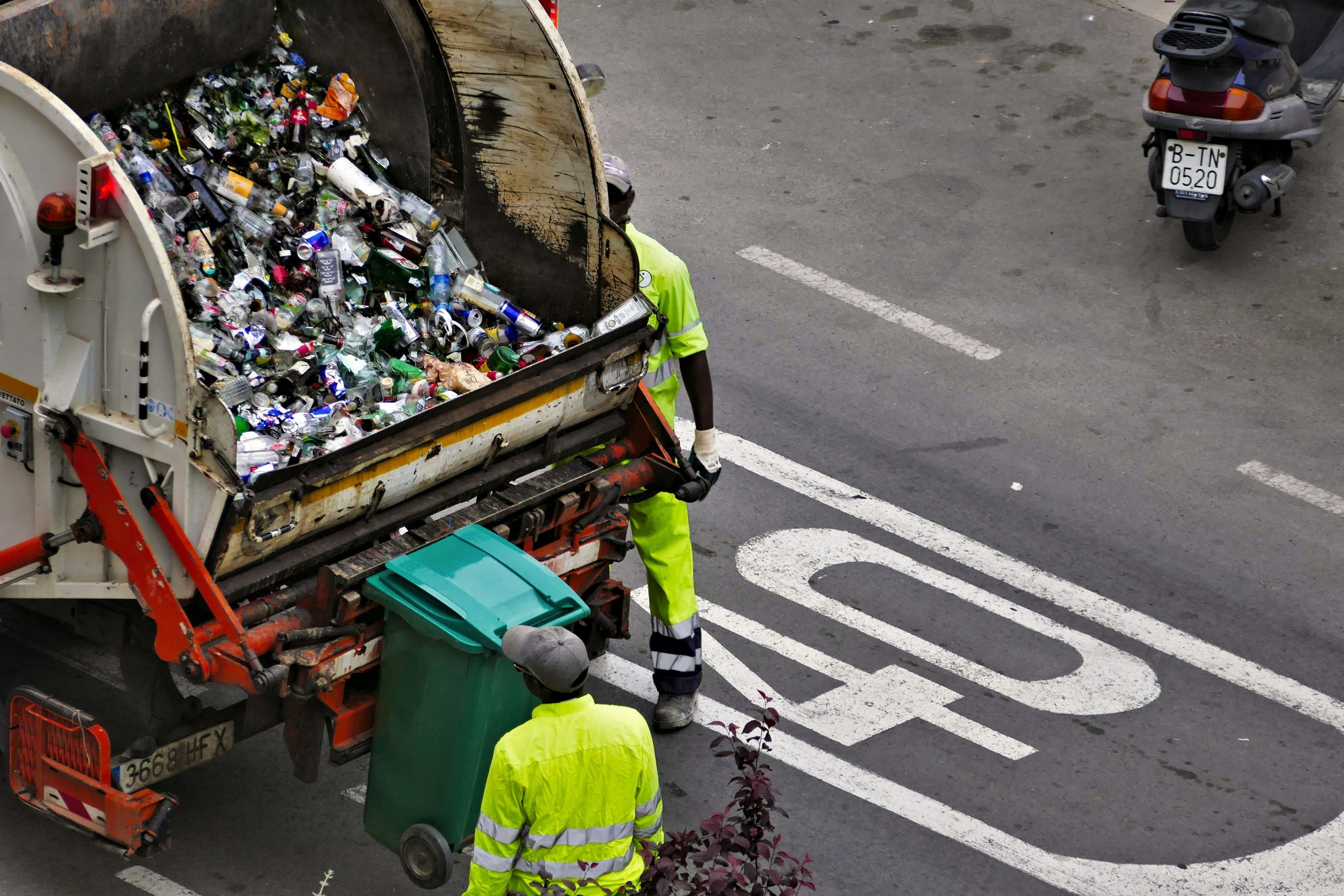
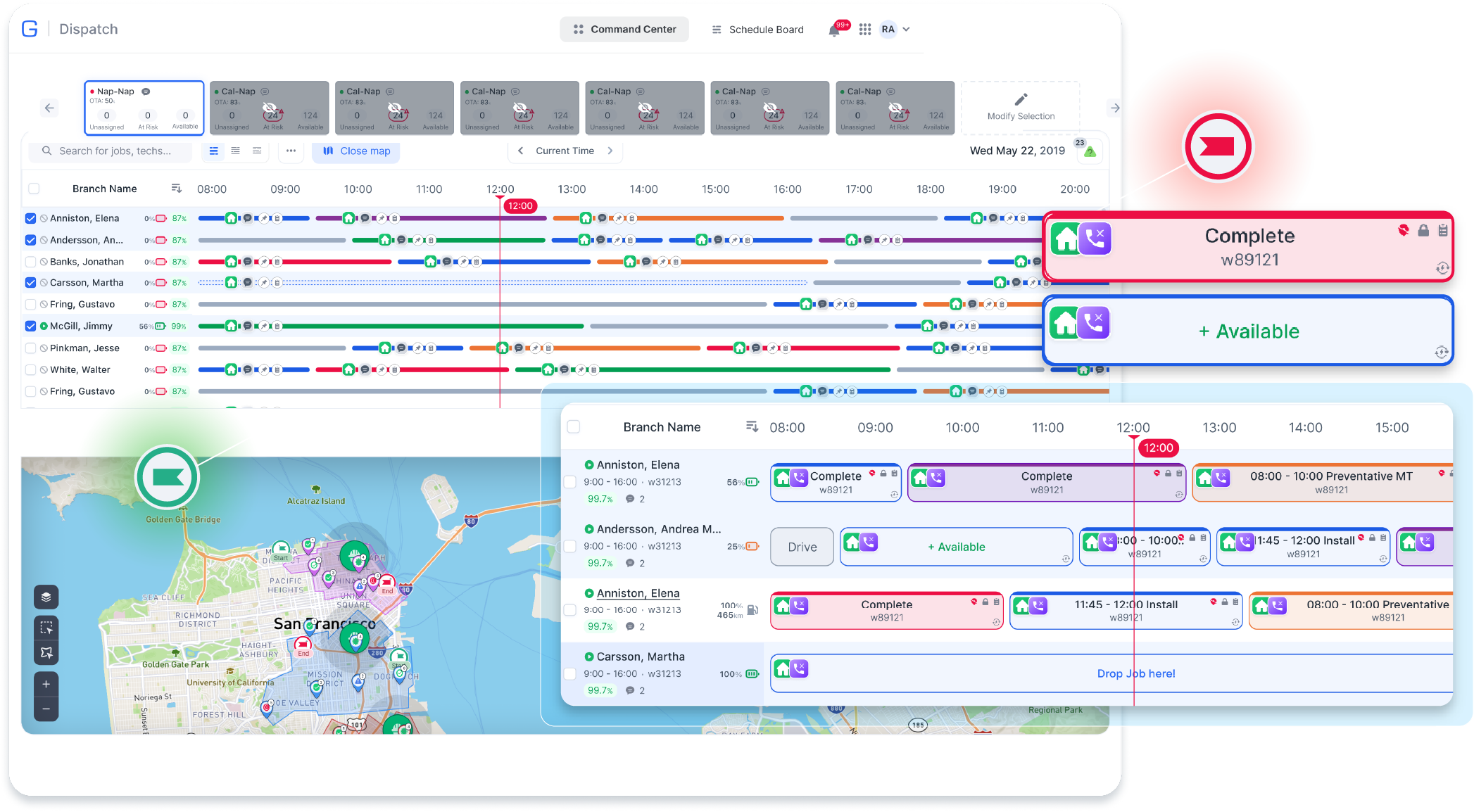
Waste management operations depend on knowing where every truck is, what route it is following, and whether service is staying on schedule. GPS Tracking America gives fleet managers real-time visibility into collection vehicles, recycling trucks, roll-off trucks, and support vehicles through a Geotab-integrated tracking platform. This helps dispatchers respond faster to missed pickups, route delays, customer calls, and last-minute service changes.

Smarter Routing for High-Stop Collection Routes
Waste collection routes involve repeated stops, changing traffic conditions, customer-specific service windows, and route density challenges. With GPS tracking and route history, managers can identify inefficient routes, reduce unnecessary mileage, and compare planned routes against actual driver activity. Over time, this data can help waste management fleets improve route planning, reduce wasted time, and complete more stops with better consistency.
Proof of Service for Missed Pickup Disputes
Customer complaints about missed pickups can be difficult to resolve without reliable records. GPS Tracking America helps create proof of service by showing when a vehicle arrived, where it stopped, how long it stayed, and whether it entered a service area. This gives waste management companies a clearer way to verify completed pickups, investigate service issues, and respond to customers with confidence.


Reduce Fuel Waste and Excessive Idling
Waste trucks often spend long hours moving slowly, stopping frequently, and idling between pickups. A Geotab-integrated GPS tracking solution can help managers monitor idle time, fuel usage, route efficiency, and driver habits that increase operating costs. By identifying where fuel is being wasted, fleets can take practical steps to reduce unnecessary idling, lower fuel expenses, and improve overall efficiency.
Improve Driver Safety in Stop-and-Go Environments
Waste collection drivers work around pedestrians, parked vehicles, narrow roads, reversing situations, and busy residential or commercial areas. GPS Tracking America helps managers monitor driving behaviors such as speeding, harsh braking, rapid acceleration, and route exceptions. This data can support safer driving habits, targeted coaching, and a stronger safety culture across the fleet.

Maintenance Insights for Hard-Working Refuse Trucks
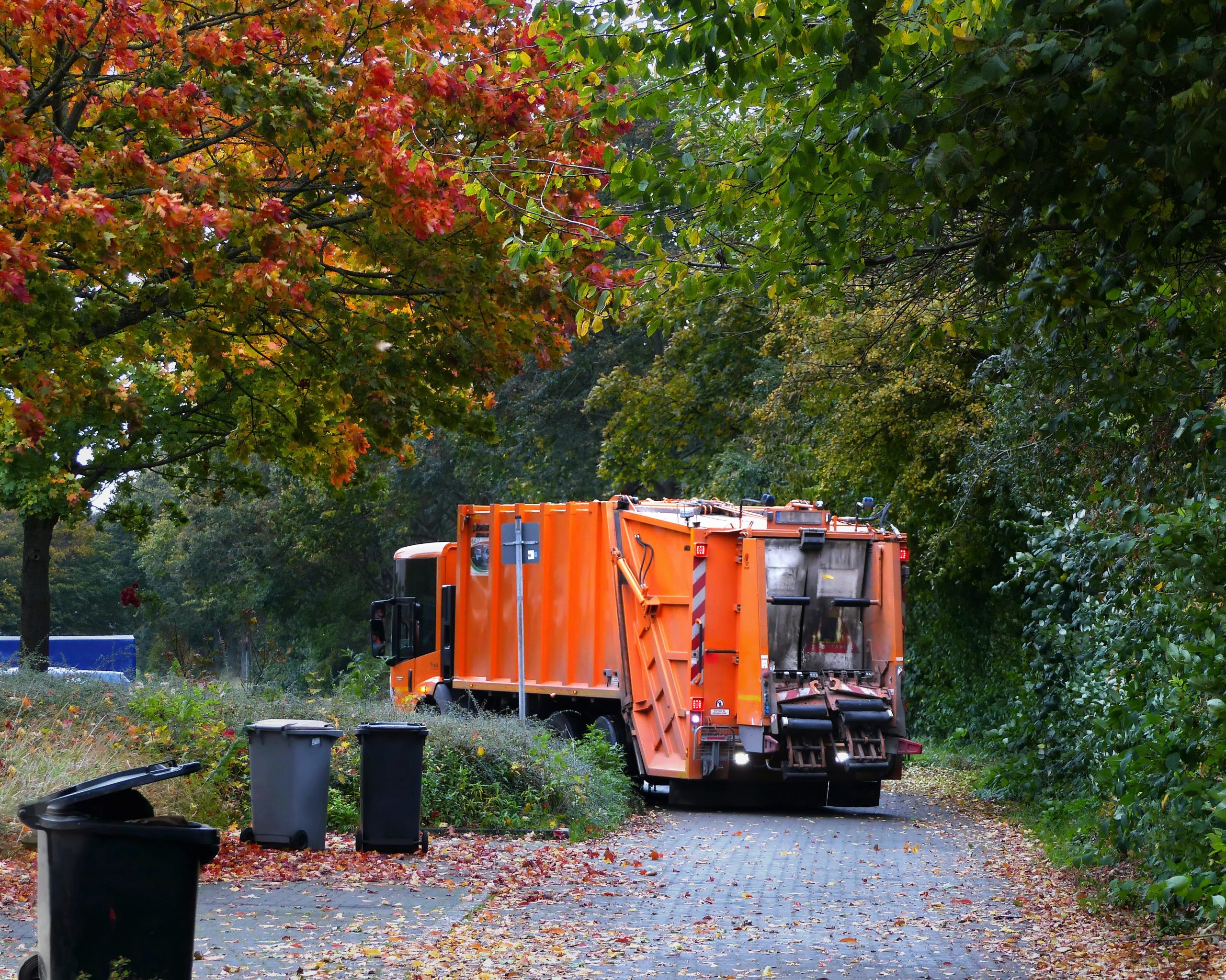
Garbage trucks, recycling vehicles, and roll-off trucks experience heavy wear from stop-and-go driving, hydraulic equipment, engine hours, and demanding routes. With Geotab vehicle data, fleet managers can monitor diagnostics, engine hours, fault alerts, maintenance needs, and vehicle usage patterns. This helps teams move from reactive repairs to more proactive maintenance planning, reducing downtime and helping trucks stay available when routes need to be completed.
Geofencing for Yards, Landfills, Transfer Stations, and Service Areas
Geofencing allows waste management fleets to create virtual boundaries around important locations such as depots, landfills, transfer stations, customer zones, disposal sites, and municipal service areas. When vehicles enter or leave these areas, managers can review location activity and route behavior. This helps improve accountability, confirm site visits, monitor unauthorized use, and better understand how vehicles move throughout the day.
Make Your Waste Management Fleet Smarter with GPS Tracking America
Waste management fleets face constant pressure to reduce costs, improve safety, complete routes on time, and provide dependable service to customers. GPS Tracking America helps waste collection and recycling operations use Geotab-integrated GPS tracking to gain better visibility, stronger accountability, and more useful fleet data. If your organization is ready to improve routing, verify service, monitor vehicles, and make better operational decisions, contact us today to learn how GPS Tracking America can help your waste management fleet work smarter.
How can GPS tracking help waste management fleets?
GPS tracking helps waste management fleets monitor vehicle locations, route activity, driver behavior, service stops, idle time, and vehicle performance. This gives managers better visibility into daily operations and helps improve efficiency, safety, and customer service.
Why is GPS tracking useful for garbage trucks and recycling trucks?
Garbage trucks and recycling trucks follow high-stop routes and often operate in busy residential, commercial, or municipal areas. GPS tracking helps managers see where trucks are, confirm route progress, reduce missed pickups, and respond faster to service issues.
Can GPS tracking help reduce missed pickups?
Yes. GPS tracking can help reduce missed pickups by showing route history, stop activity, arrival times, and vehicle movement. Managers can use this information to verify whether a truck visited a service location and identify where route problems occurred.
How does GPS tracking provide proof of service?
GPS tracking provides proof of service by recording when a vehicle arrived at a location, how long it stayed, and where it traveled. This information can help waste management companies respond to customer complaints and confirm completed pickups.
Can GPS tracking improve waste collection routes?
Yes. GPS tracking helps managers compare planned routes with actual vehicle activity. This can reveal unnecessary mileage, route delays, repeated inefficiencies, and areas where routes may need to be adjusted.
How does GPS tracking help reduce fuel costs?
GPS tracking can help reduce fuel costs by monitoring excessive idling, inefficient routes, speeding, and unnecessary vehicle use. By identifying fuel-wasting habits, waste management fleets can make changes that improve efficiency.
Why is idling a problem for waste management fleets?
Idling is a problem because waste trucks often spend long periods stopped or moving slowly while still burning fuel. Tracking idle time helps managers find where fuel is being wasted and create policies to reduce unnecessary engine use.
Can GPS tracking help improve driver safety?
Yes. GPS tracking can help improve driver safety by monitoring behaviors such as speeding, harsh braking, rapid acceleration, and route exceptions. This data can support driver coaching and safer fleet operations.
How does GPS tracking support driver coaching?
GPS tracking gives managers data on driving habits and safety events. Instead of relying on guesswork, companies can use real driving data to coach drivers, recognize safe performance, and address risky behavior.
Can GPS tracking help with vehicle maintenance?
Yes. When integrated with Geotab devices and services, GPS tracking can help monitor engine data, fault alerts, mileage, engine hours, and vehicle usage. This supports preventive maintenance and helps reduce unexpected downtime.
Why is maintenance tracking important for waste trucks?
Waste trucks operate under heavy demands, including frequent stops, heavy loads, hydraulic use, and long route hours. Maintenance tracking helps fleets identify potential problems earlier and keep vehicles available for scheduled routes.
What is geofencing in waste management?
Geofencing creates virtual boundaries around important locations such as depots, landfills, transfer stations, service zones, and customer sites. Managers can use geofences to monitor when vehicles enter or leave these areas.
How can geofencing help waste management operations?
Geofencing helps waste management fleets confirm site visits, monitor service areas, track landfill or transfer station activity, and identify unauthorized vehicle movement. It can also improve accountability across daily operations.
Can GPS tracking help with roll-off container management?
Yes. GPS tracking and asset tracking can help companies monitor roll-off containers, dumpsters, trailers, and other mobile assets. This can reduce lost equipment, improve asset utilization, and help teams locate containers faster.
Is GPS tracking useful for municipal waste fleets?
Yes. Municipal waste fleets can use GPS tracking to improve route visibility, service accountability, public response, maintenance planning, and reporting. It helps cities and towns manage sanitation services more efficiently.
Is GPS tracking useful for private waste companies?
Yes. Private waste companies can use GPS tracking to improve customer service, verify pickups, manage drivers, reduce operating costs, and support billing or contract reporting with accurate fleet data.
Can GPS tracking help with customer complaints?
Yes. GPS tracking helps companies investigate complaints by reviewing vehicle location history, arrival times, stop duration, and route activity. This makes it easier to confirm what happened and respond with accurate information.
What types of waste management vehicles can be tracked?
GPS tracking can be used for garbage trucks, recycling trucks, roll-off trucks, transfer vehicles, support vehicles, supervisor vehicles, service trucks, trailers, and other fleet assets.
How does GPS Tracking America integrate with Geotab?
GPS Tracking America provides GPS tracking solutions that integrate with Geotab devices and services. This gives waste management fleets access to vehicle tracking, fleet data, driver safety tools, maintenance insights, reporting, and operational visibility.
Why should waste management companies choose GPS Tracking America?
Waste management companies should choose GPS Tracking America because our Geotab-integrated solutions help improve route efficiency, service verification, driver safety, vehicle maintenance, asset visibility, and fleet accountability. Our goal is to help waste fleets operate smarter, safer, and more efficiently.