School Transportation
School transportation teams need to keep students safe, routes on schedule, buses maintained, and parents informed. GPS Tracking America helps school districts and transportation providers gain real-time visibility into bus locations, route activity, driver behavior, idling, maintenance needs, and fleet performance through Geotab-integrated GPS tracking solutions. With the right telematics system, school bus fleets can improve daily operations, reduce preventable delays, support safer driving, and make data-backed decisions across every route. School buses are already one of the safest ways for students to travel, and modern fleet technology helps transportation teams strengthen that safety record with better visibility and accountability.
Real-Time School Bus Visibility
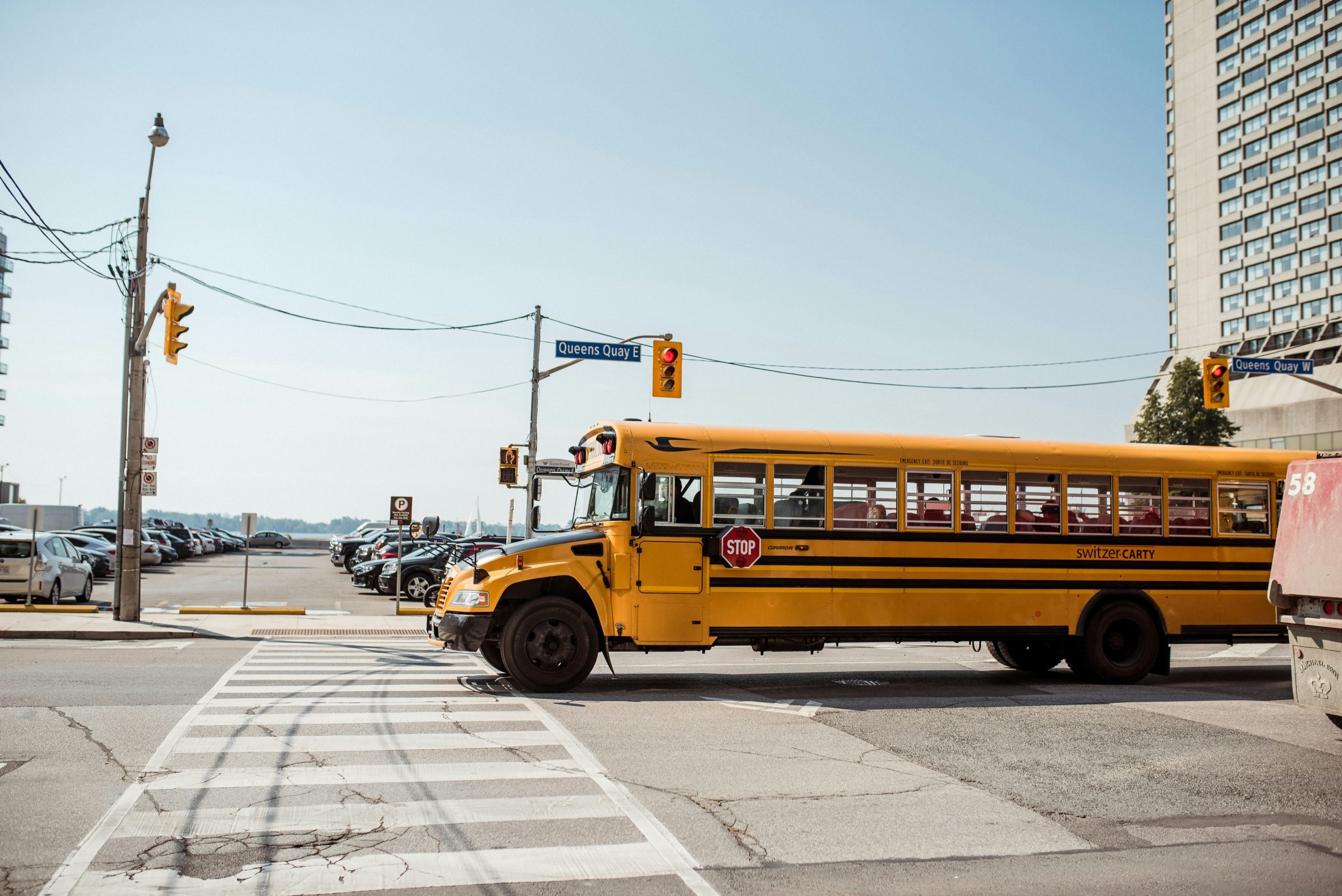
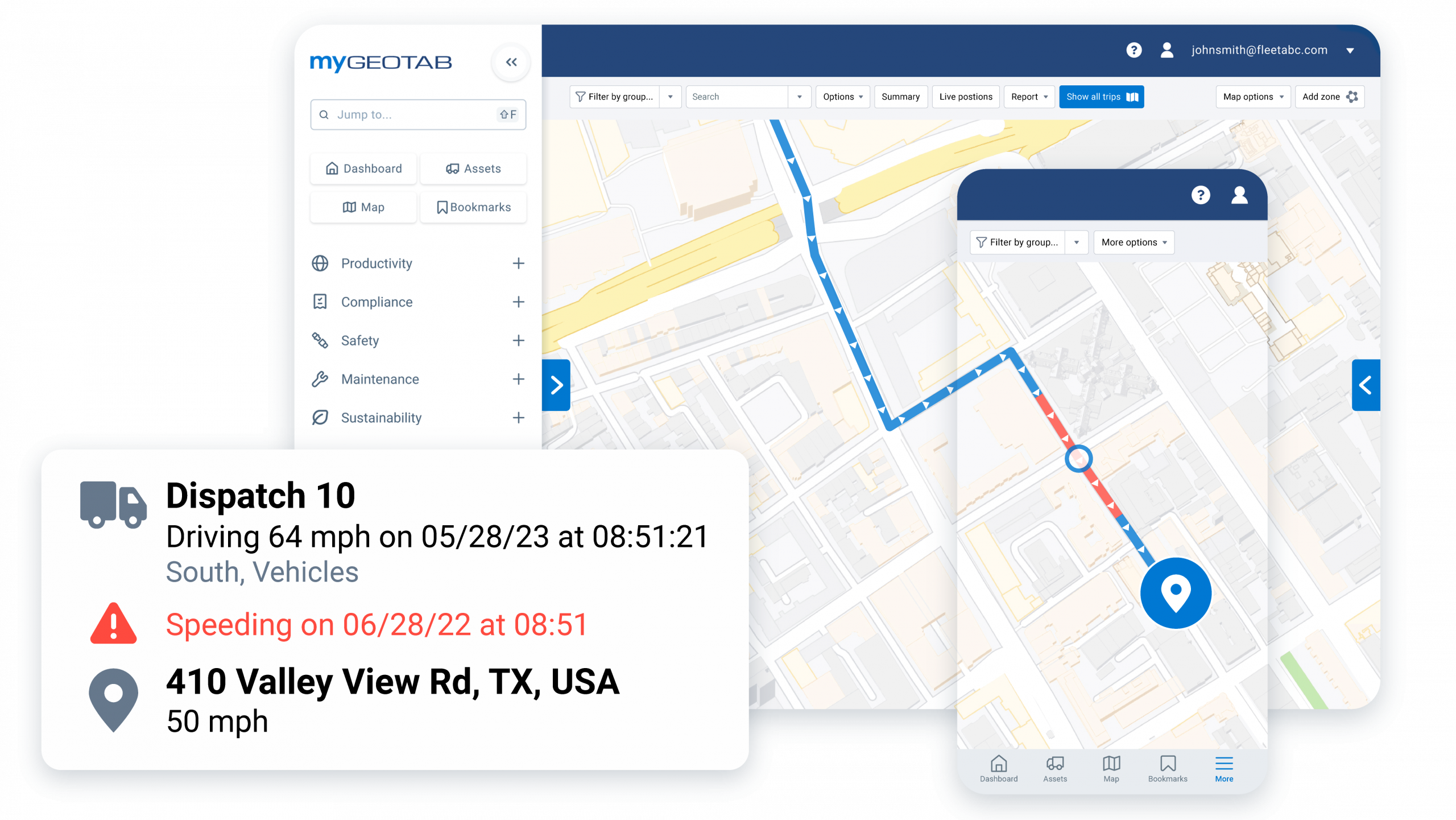
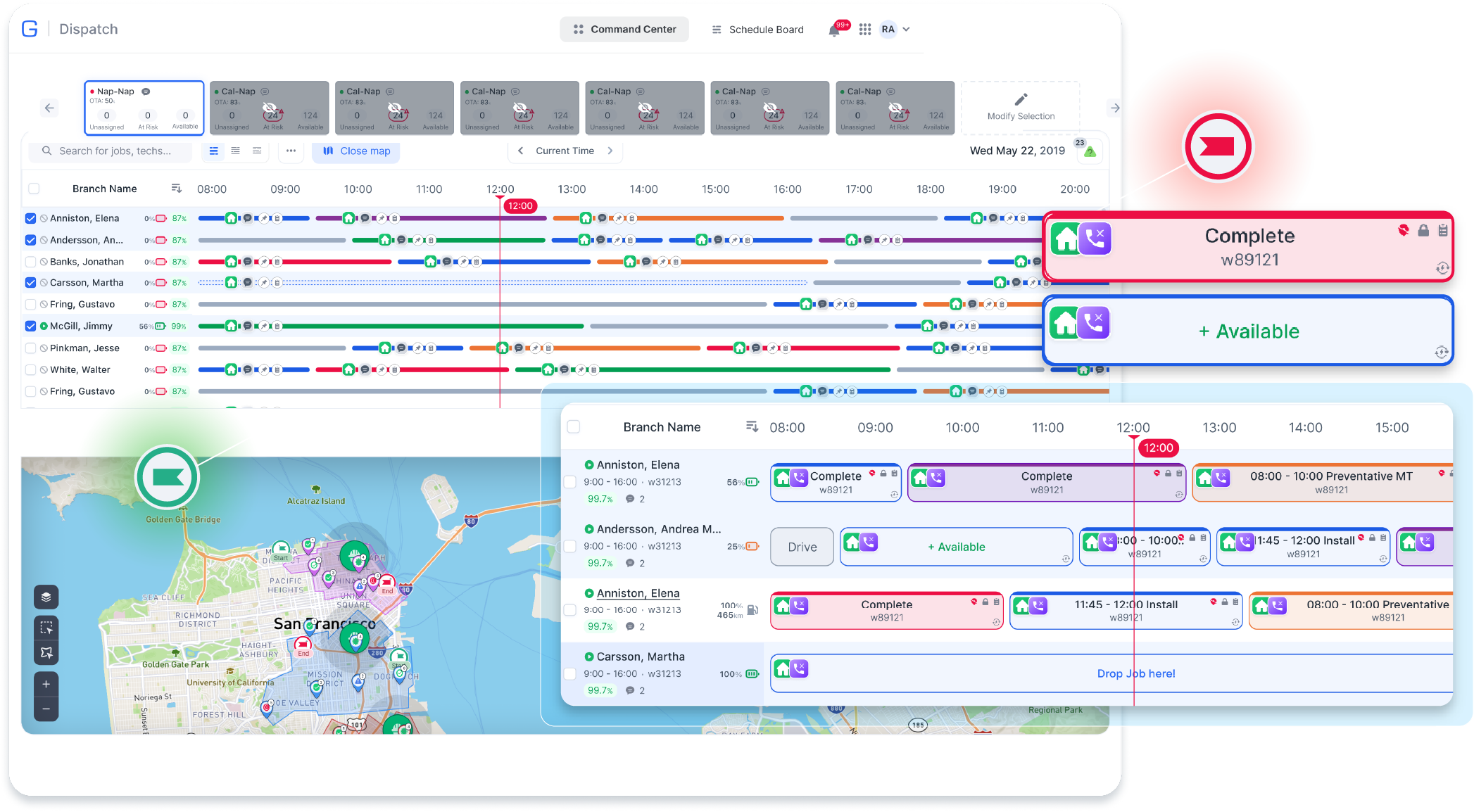
GPS Tracking America gives transportation managers a clear view of where school buses are during morning routes, afternoon routes, field trips, and after-school activities. With Geotab-integrated GPS tracking, teams can monitor live vehicle location, review trip history, confirm route progress, and respond faster when a bus is delayed or off schedule. This helps reduce guesswork for dispatchers and gives school transportation departments better control over daily operations.
Safer Routes for Students and Drivers
Student transportation depends on consistent, safe driving. GPS tracking and telematics can help school bus fleets monitor speeding, harsh braking, rapid acceleration, seat belt-related events where supported, and other driving patterns that may increase risk. By turning driving data into coaching opportunities, school districts can support safer habits, improve accountability, and create a stronger safety culture across their transportation team.
Better On-Time Performance
Late buses create stress for schools, families, and transportation offices. GPS Tracking America helps school bus fleets compare planned routes with actual vehicle activity, identify recurring delays, and understand where route adjustments may be needed. With better route visibility, transportation managers can improve scheduling, reduce unnecessary mileage, and keep school communities better informed when delays happen.

Preventive Maintenance for School Bus Fleets
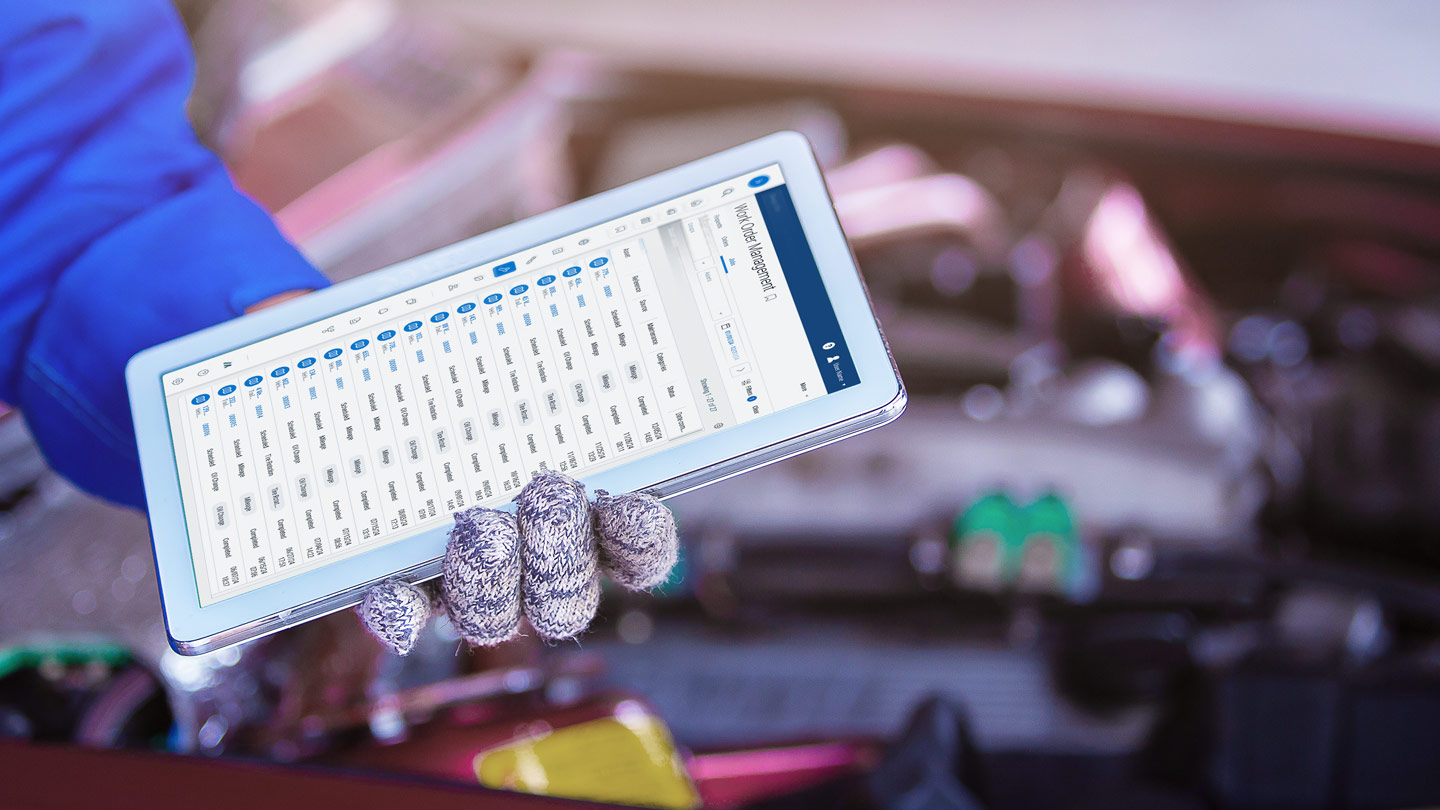
A school bus fleet is only reliable when vehicles are ready to operate. Geotab-integrated fleet data can help transportation teams monitor mileage, engine hours, diagnostic fault codes, maintenance schedules, and vehicle health trends. This makes it easier to move from reactive repairs to preventive maintenance, reduce unexpected downtime, and keep buses available when students need them.
Reduce Idling and Fuel Waste
School buses often idle during loading, unloading, staging, and cold-weather operations. GPS Tracking America helps fleets monitor idling patterns so managers can identify waste, coach drivers, and reduce unnecessary fuel use. Lower idling can also support cleaner air around schools, since the EPA notes that diesel exhaust from idling buses can pollute the air around buses and even enter school buildings through doors, windows, and air intakes.
Support Electric and Alternative-Fuel School Bus Planning
As school transportation fleets explore electric, hybrid, and alternative-fuel buses, telematics data becomes even more important. GPS Tracking America can help fleets understand route distance, vehicle usage, idling, charging needs, range requirements, and which buses may be the best candidates for replacement. Geotab has also highlighted the value of fleet data for identifying high-emitting vehicles, assessing range potential, and forecasting possible savings during zero-emission vehicle planning.
Strengthen Driver Safety on Busy Routes
Drivers in the food and beverage industry often travel through city streets, loading areas, parking lots, highways, and customer sites in a single day. GPS Tracking America helps fleets monitor safety-related driving behavior such as speeding, harsh braking, aggressive driving, and idling. Driver scorecards and safety reports can support fair coaching, safer habits, and better fleet accountability.

Improve Your School Bus Fleet with GPS Tracking America
GPS Tracking America provides Geotab-integrated GPS tracking solutions designed to help school transportation fleets improve safety, visibility, reliability, and efficiency. Whether your team needs real-time bus tracking, route history, driver behavior insights, idling reports, maintenance data, or support for future fleet planning, our solution can help you make smarter transportation decisions. To learn how GPS Tracking America can support your school bus fleet, contact us today.
How can GPS tracking help school transportation fleets?
GPS tracking helps school transportation fleets monitor bus locations, route progress, driver behavior, idling, maintenance needs, and vehicle activity. This gives transportation managers better visibility and helps improve safety, reliability, and efficiency.
Why is real-time school bus tracking important?
Real-time school bus tracking is important because it helps dispatchers see where buses are during active routes. This can help teams respond faster to delays, route changes, breakdowns, or unexpected issues.
Can GPS tracking help improve student safety?
Yes. GPS tracking can support student safety by helping school transportation teams monitor bus movement, identify risky driving behavior, confirm route activity, and respond more quickly when a bus needs assistance.
How does GPS tracking help dispatchers?
GPS tracking helps dispatchers locate buses in real time, check route progress, communicate with drivers more effectively, and make faster decisions when schedules change or delays occur.
Can GPS tracking help reduce school bus delays?
Yes. GPS tracking can help reduce delays by showing where buses are, how routes are performing, and where recurring slowdowns happen. Transportation teams can use this data to improve routes and schedules.
Does GPS tracking provide school bus route history?
Yes. GPS tracking can record route history, stop activity, travel times, and vehicle movement. This helps transportation teams review completed routes and verify where a bus traveled.
Can GPS tracking confirm whether a bus completed a route?
Yes. GPS tracking can help confirm completed routes by showing vehicle location history, timestamps, stops, and route activity. This creates a reliable digital record for transportation managers.
How can GPS tracking help with parent or school questions?
GPS tracking helps transportation teams answer questions with accurate vehicle data. If a parent, school office, or administrator asks about a delay or route issue, managers can review bus location history and route activity.
Can GPS tracking help improve driver behavior?
Yes. GPS tracking and telematics can help monitor driver behavior such as speeding, harsh braking, rapid acceleration, and other risky patterns. This information can support driver coaching and safer driving habits.
How does GPS tracking help reduce school bus idling?
GPS tracking can show when and where buses idle for long periods. Transportation managers can use idling reports to coach drivers, reduce fuel waste, lower emissions, and improve operating efficiency.
Can GPS tracking help reduce fuel costs?
Yes. GPS tracking can help reduce fuel costs by identifying excessive idling, inefficient routing, unnecessary mileage, and driving habits that increase fuel use.
How does GPS tracking support school bus maintenance?
GPS tracking and telematics can help monitor mileage, engine hours, diagnostic data, fault codes, and maintenance schedules. This helps school transportation teams plan preventive maintenance and reduce unexpected downtime.
Can GPS tracking help prevent school bus breakdowns?
GPS tracking cannot prevent every breakdown, but telematics data can help identify maintenance issues earlier. This gives transportation teams more time to inspect, repair, and maintain buses before small problems become larger ones.
Is GPS tracking useful for field trips and after-school routes?
Yes. GPS tracking is useful for regular routes, field trips, athletic transportation, after-school programs, and special events. Transportation teams can monitor bus location and activity outside normal daily routes.
Can GPS tracking help manage substitute drivers?
Yes. GPS tracking can help transportation managers support substitute drivers by monitoring route progress, confirming vehicle location, and responding quickly if a driver needs assistance.
How does GPS tracking help during bad weather?
During bad weather, GPS tracking helps transportation teams see where buses are, monitor delays, adjust routes when needed, and stay better coordinated during snow, rain, traffic, or poor road conditions.
Can GPS tracking help school districts make better route decisions?
Yes. GPS tracking provides route data that can help school districts identify inefficient routes, long travel times, frequent delays, and unnecessary mileage. This information can support better planning and scheduling.
Can GPS tracking support electric school bus planning?
Yes. GPS tracking data can help school transportation teams understand route distance, daily mileage, vehicle usage, idling, and charging needs. This can help districts evaluate where electric school buses may fit best.
Is GPS tracking only for large school bus fleets?
No. GPS tracking can help school transportation fleets of many sizes. Small fleets, private school transportation providers, contractors, and large school districts can all benefit from better visibility and vehicle data.
What if I have more questions about GPS tracking for school transportation?
If you have more questions about GPS tracking for school transportation, contact us. GPS Tracking America can help explain available solutions, features, and options for your school bus fleet.